
Autopilots for take-off and landing of airborne wind energy systems
We develop new observation and control algorithms for airborne wind energy systems – from control theory to on-site experiments
Design of a low-tech ground station
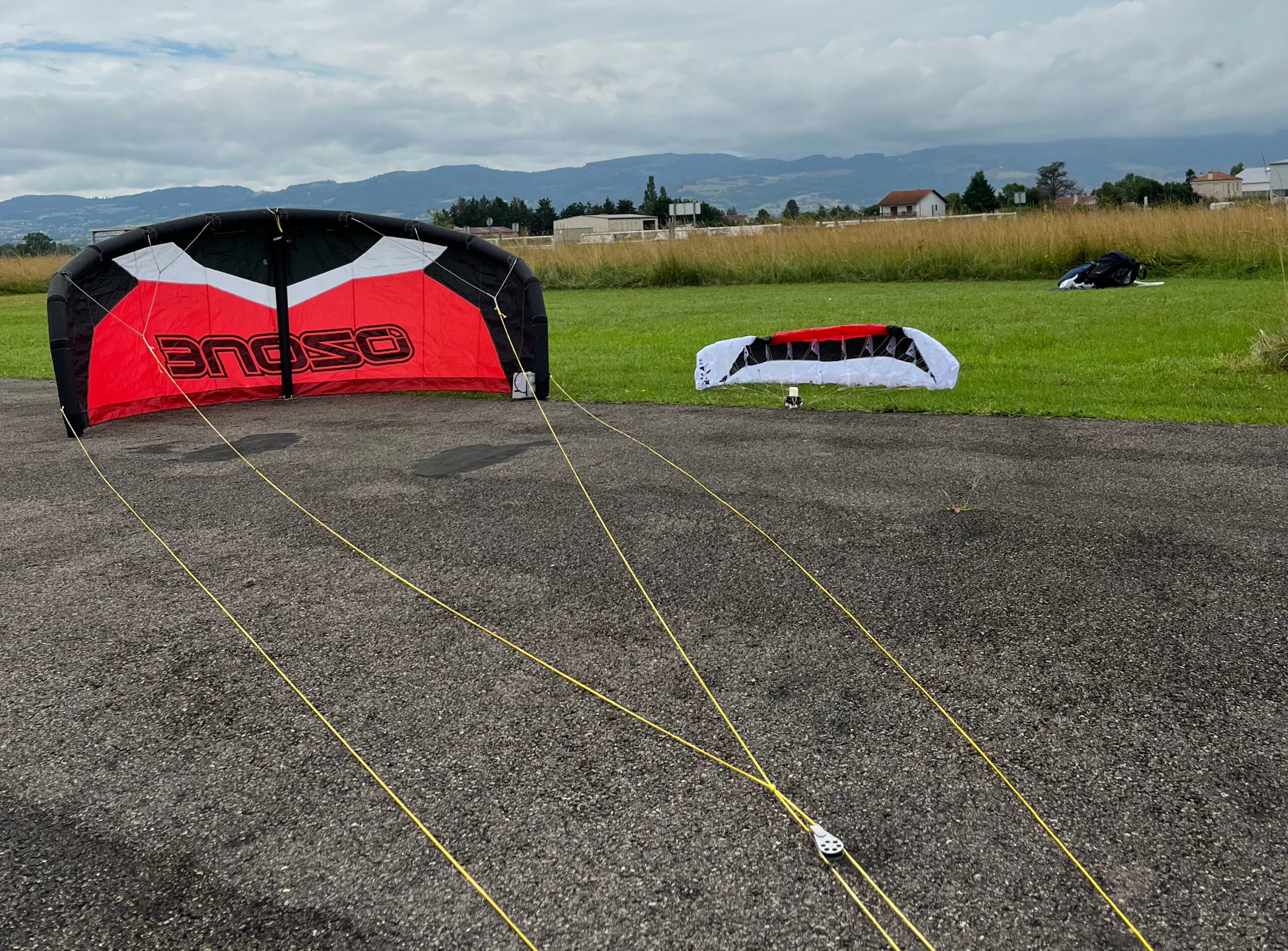
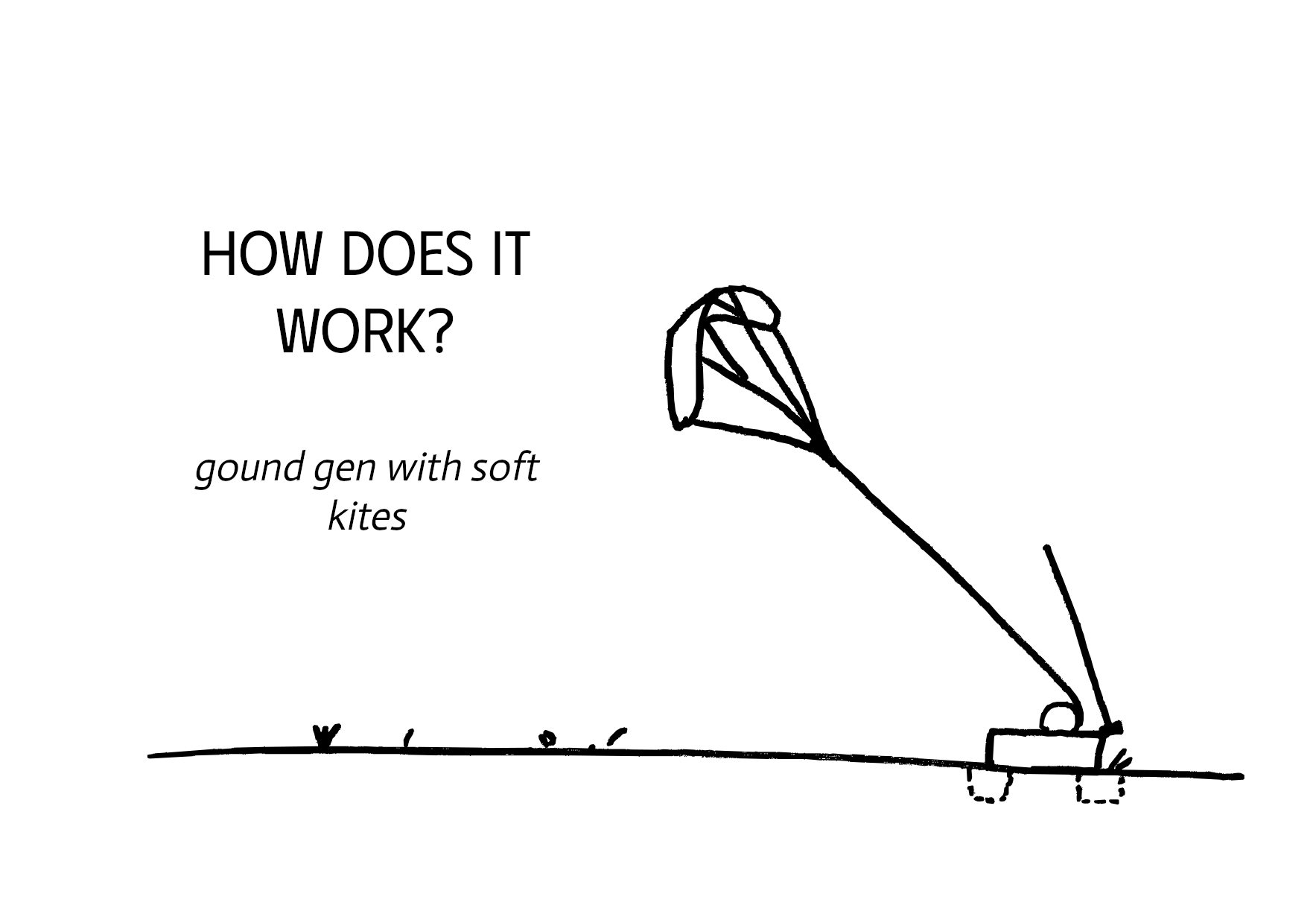
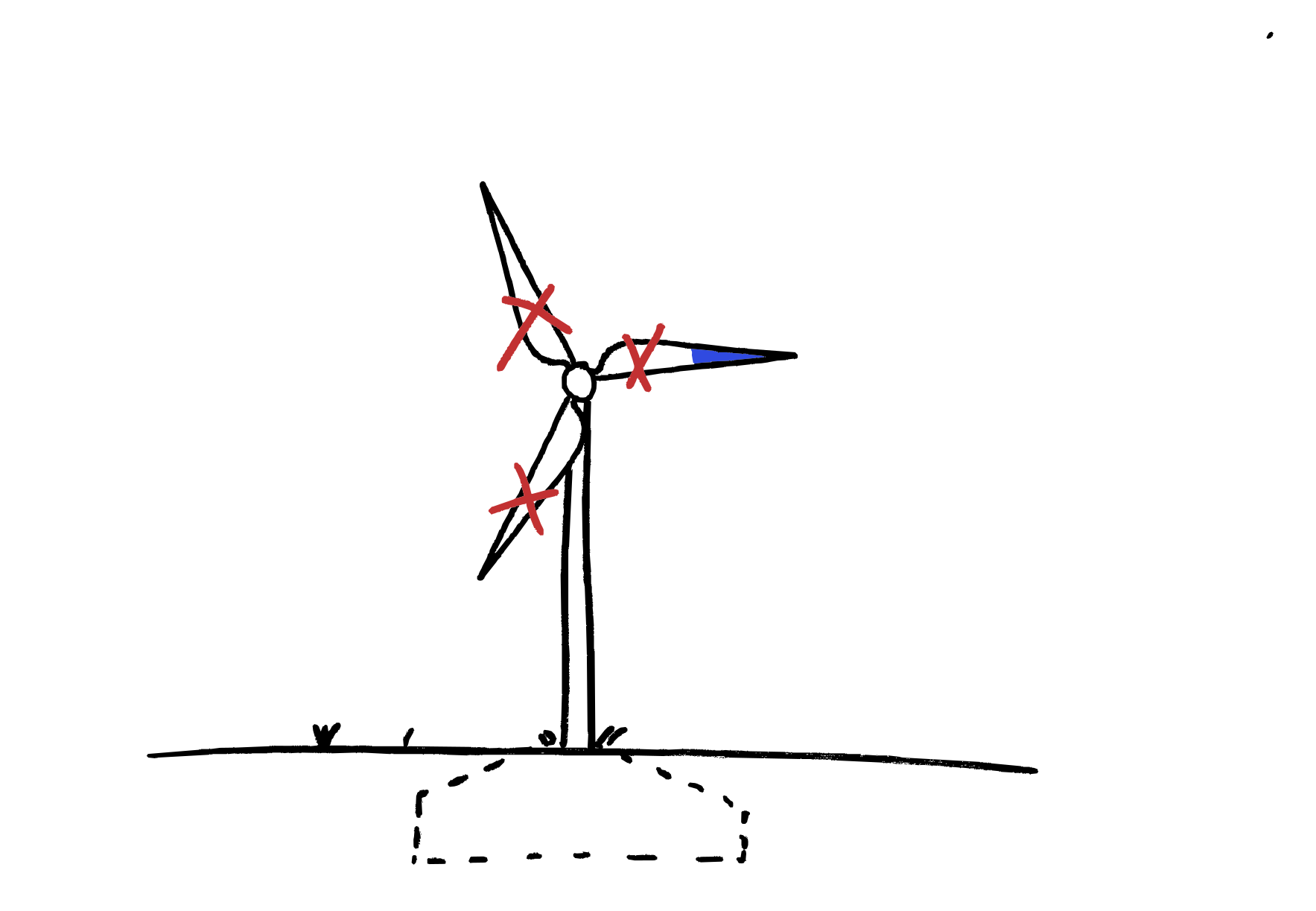
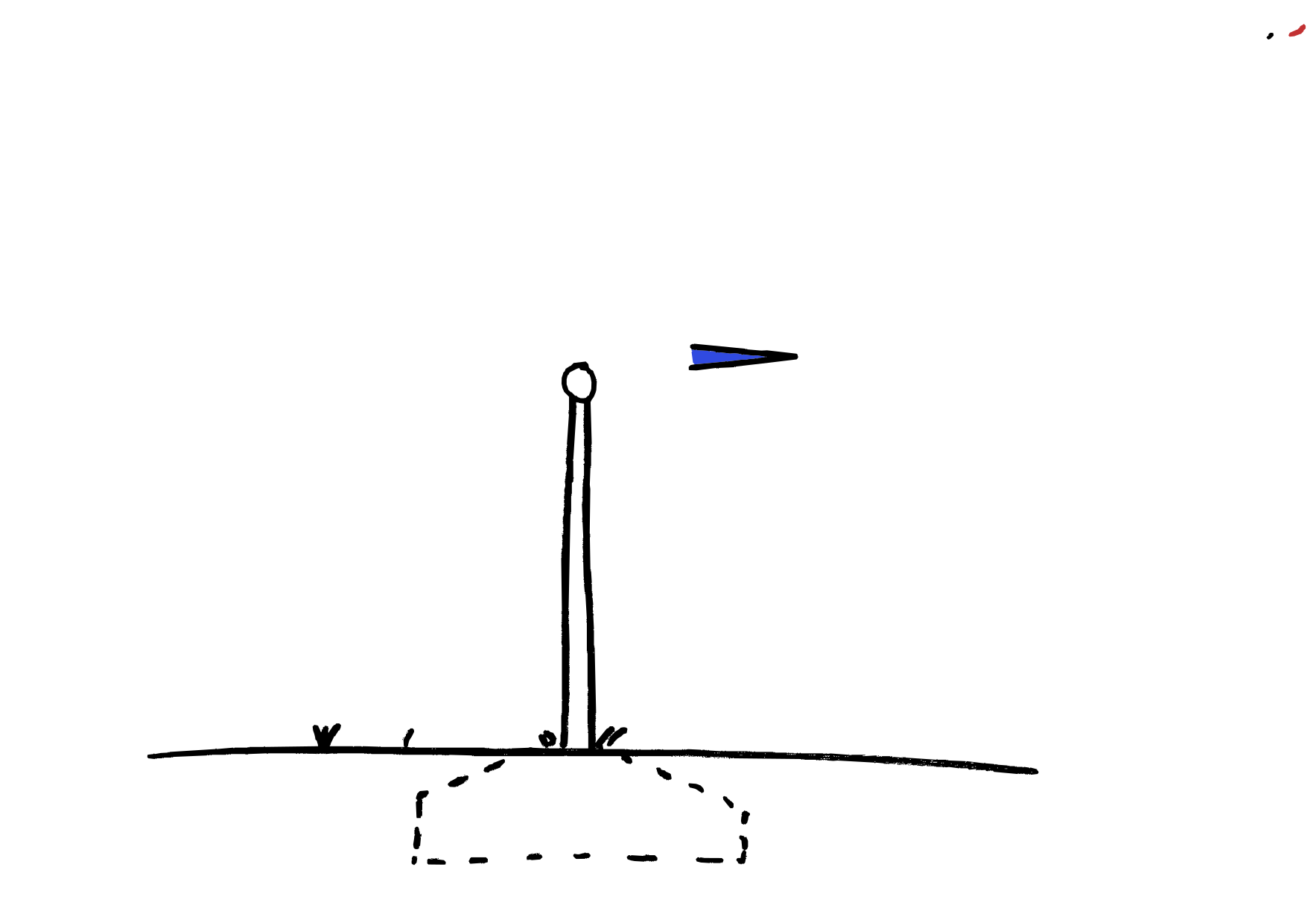
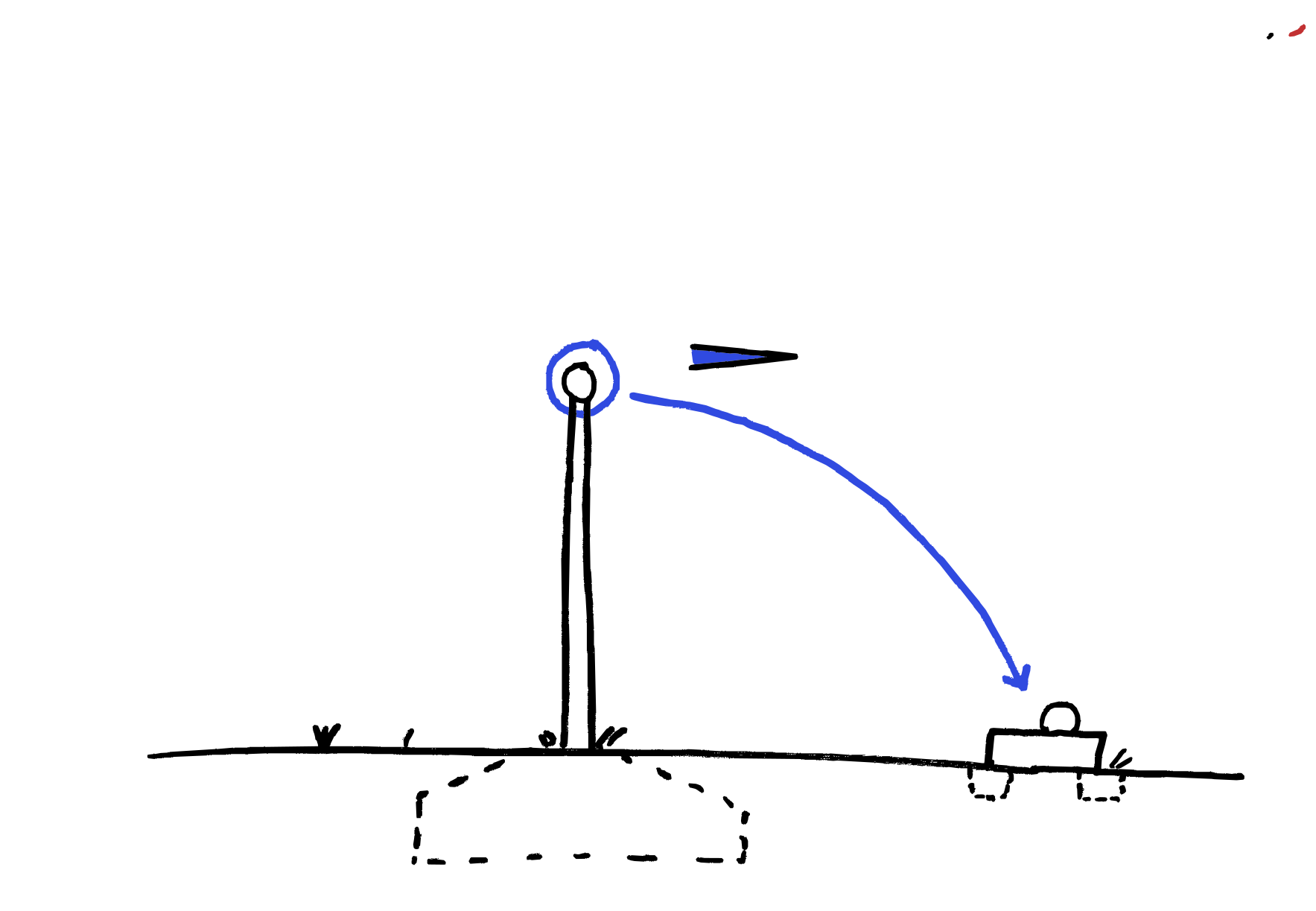
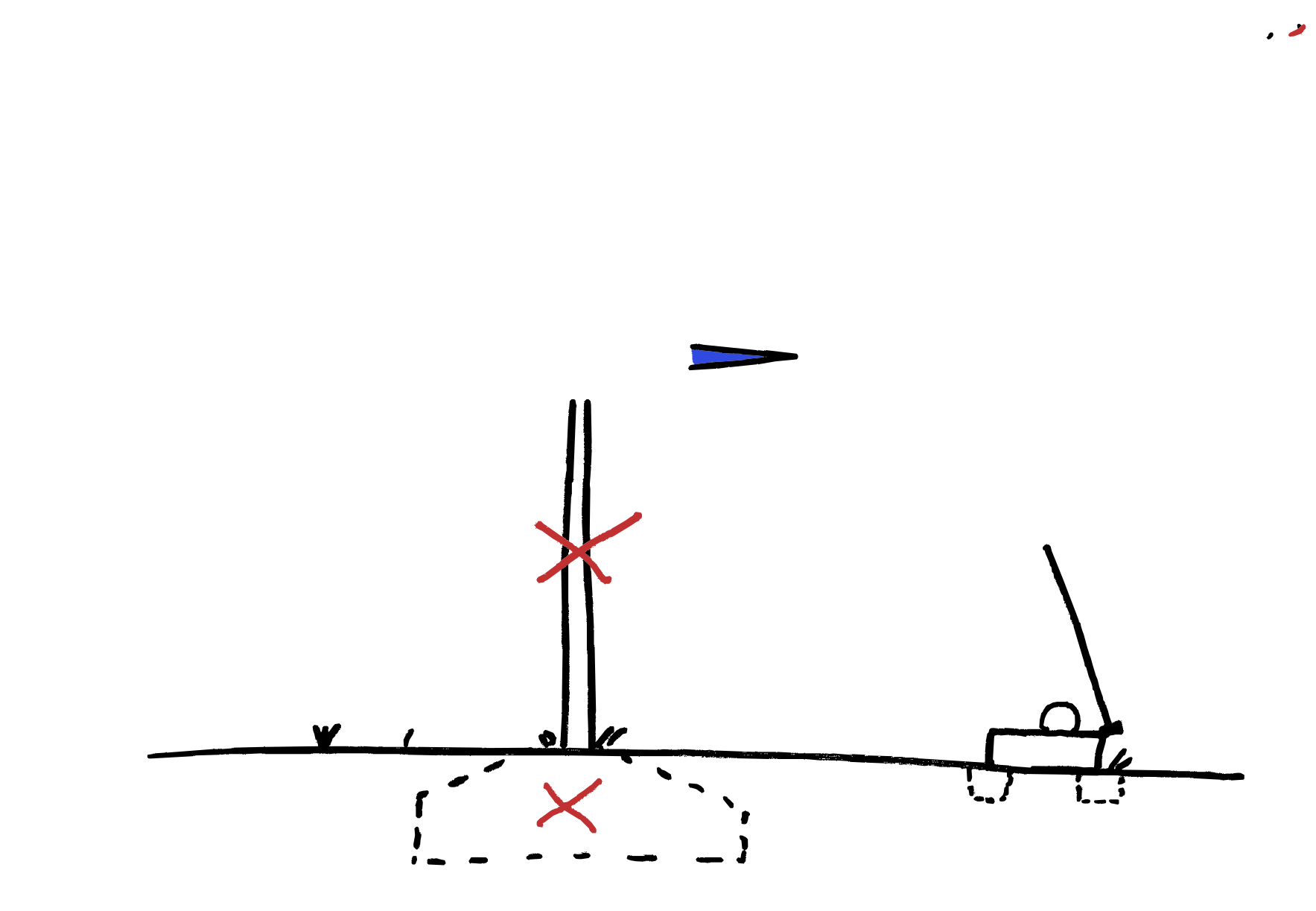
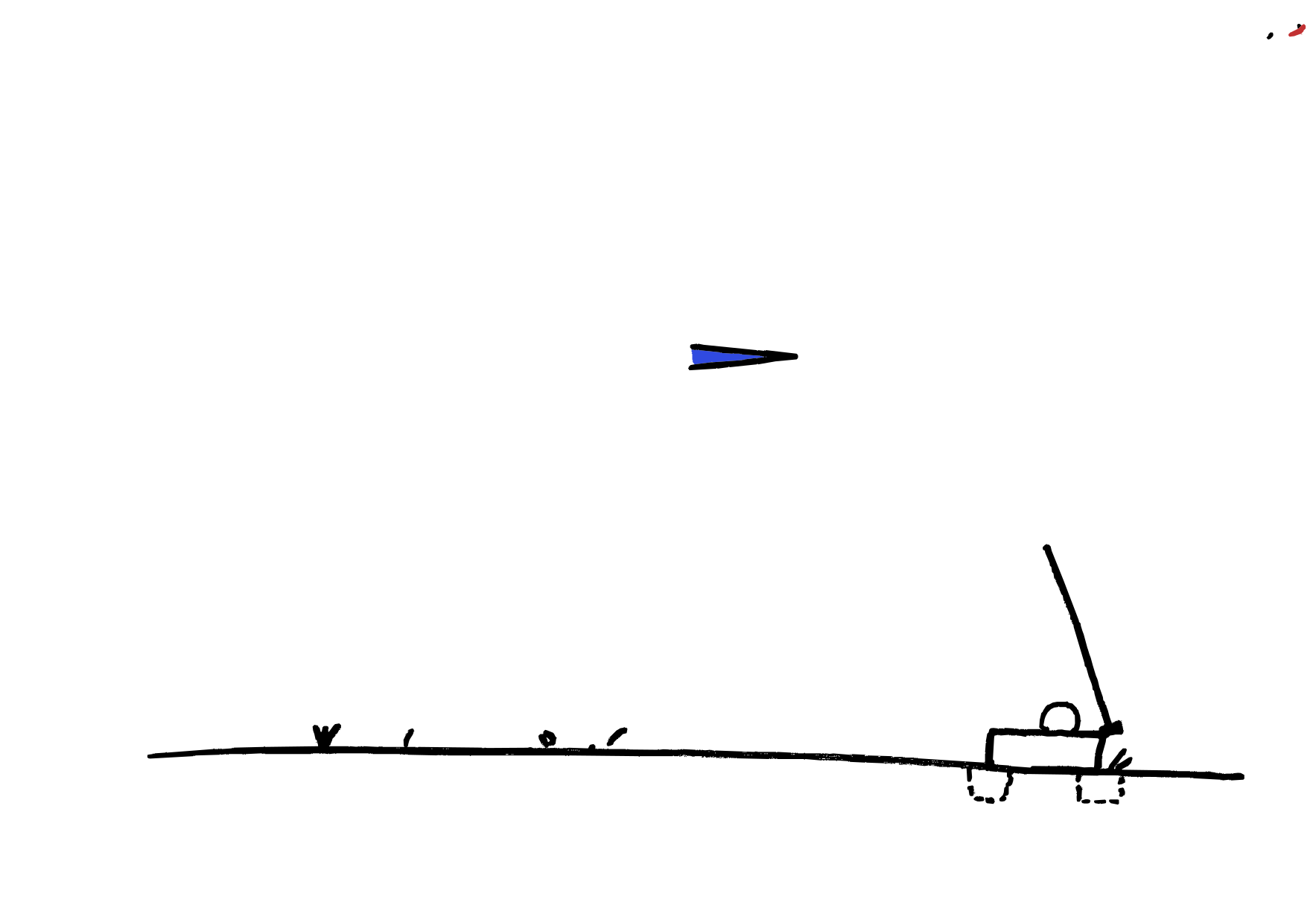
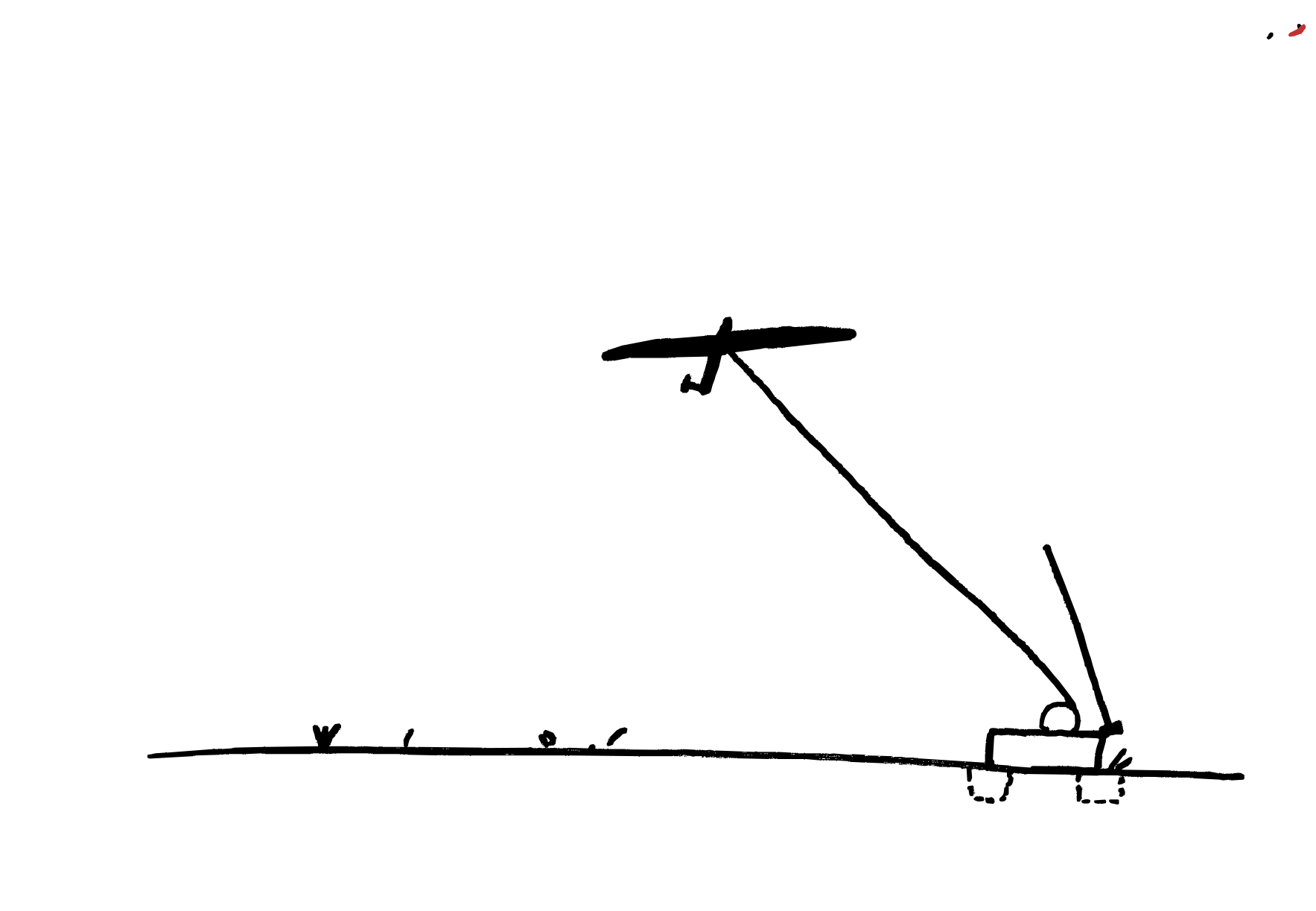
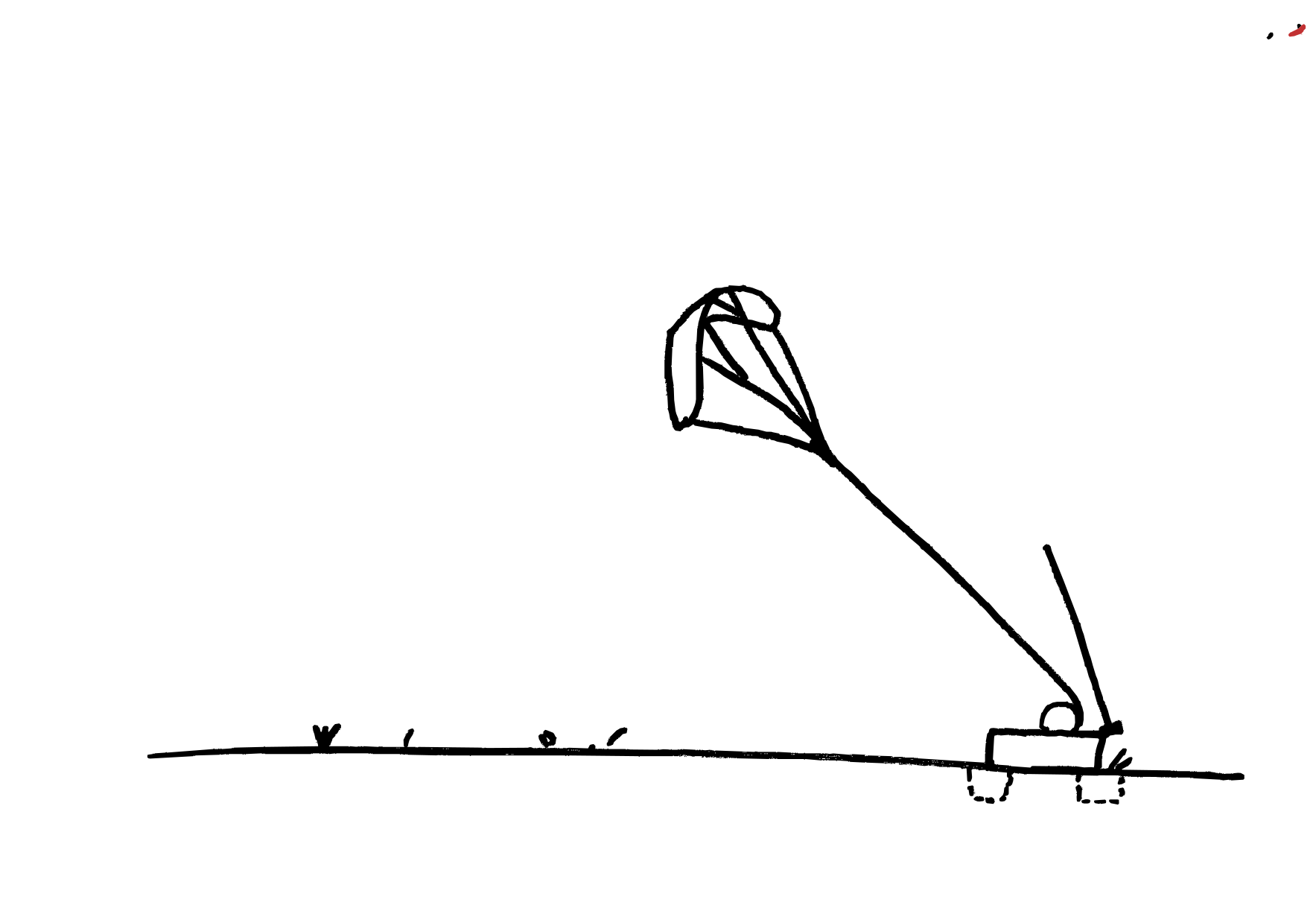
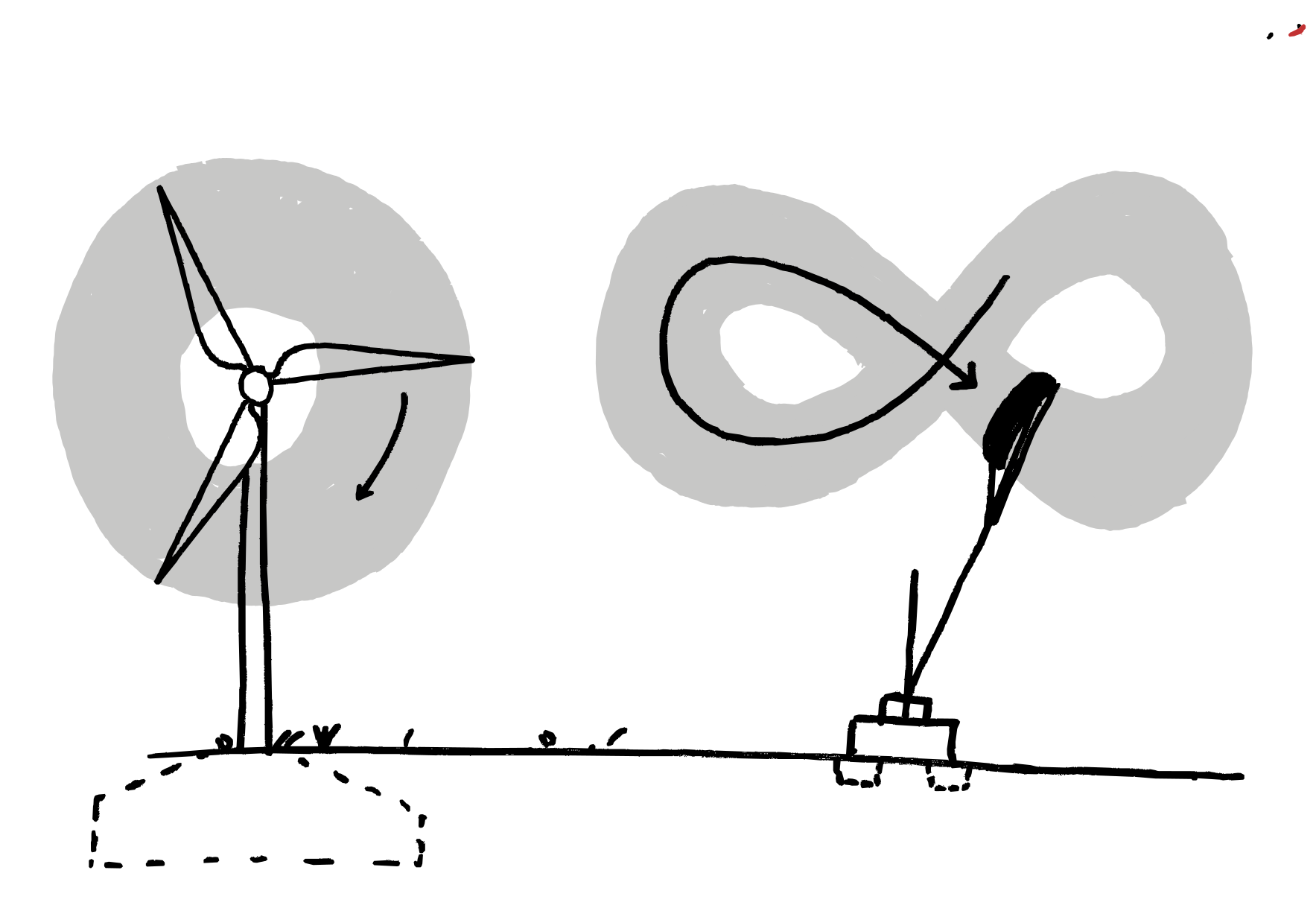
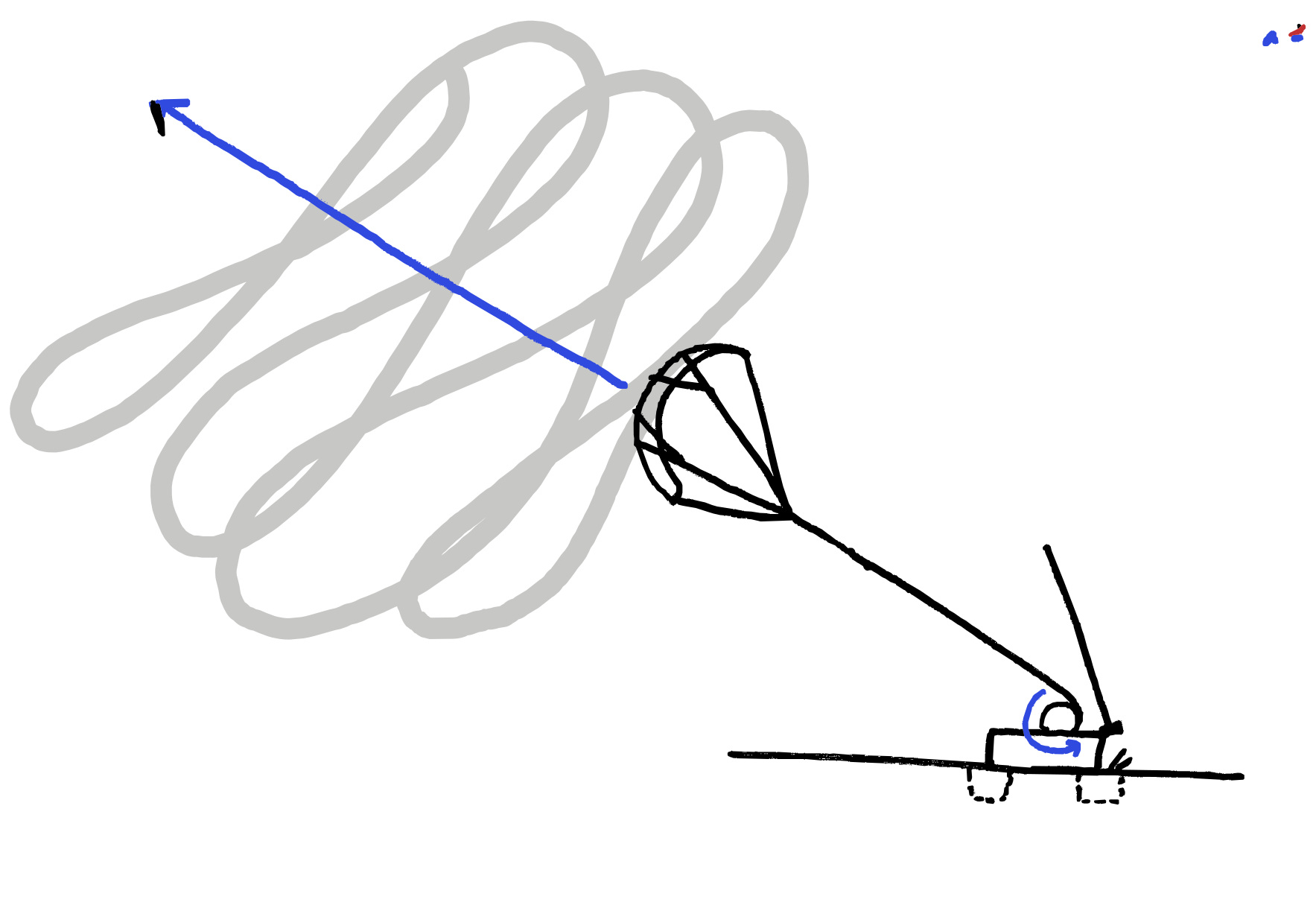
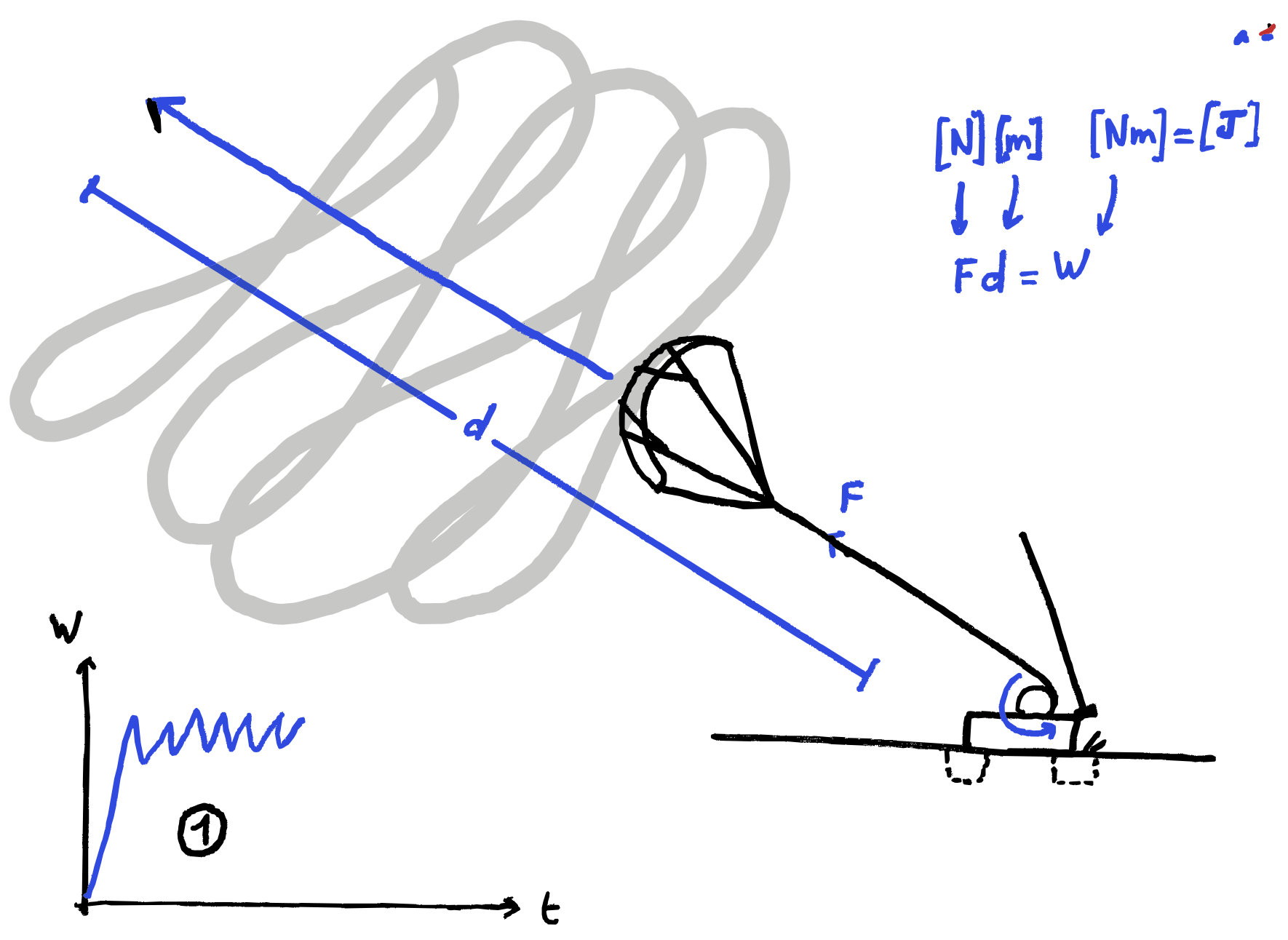
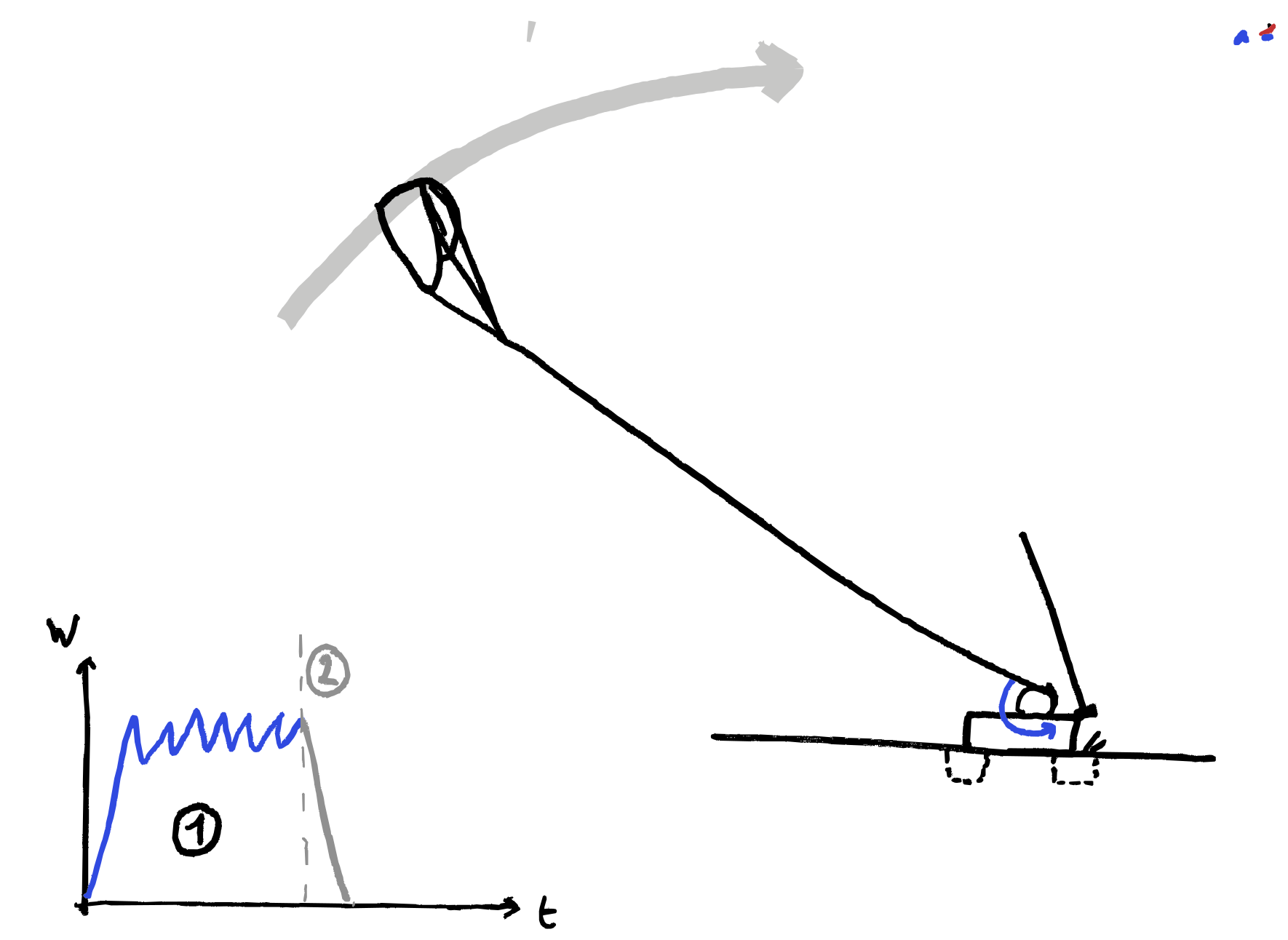
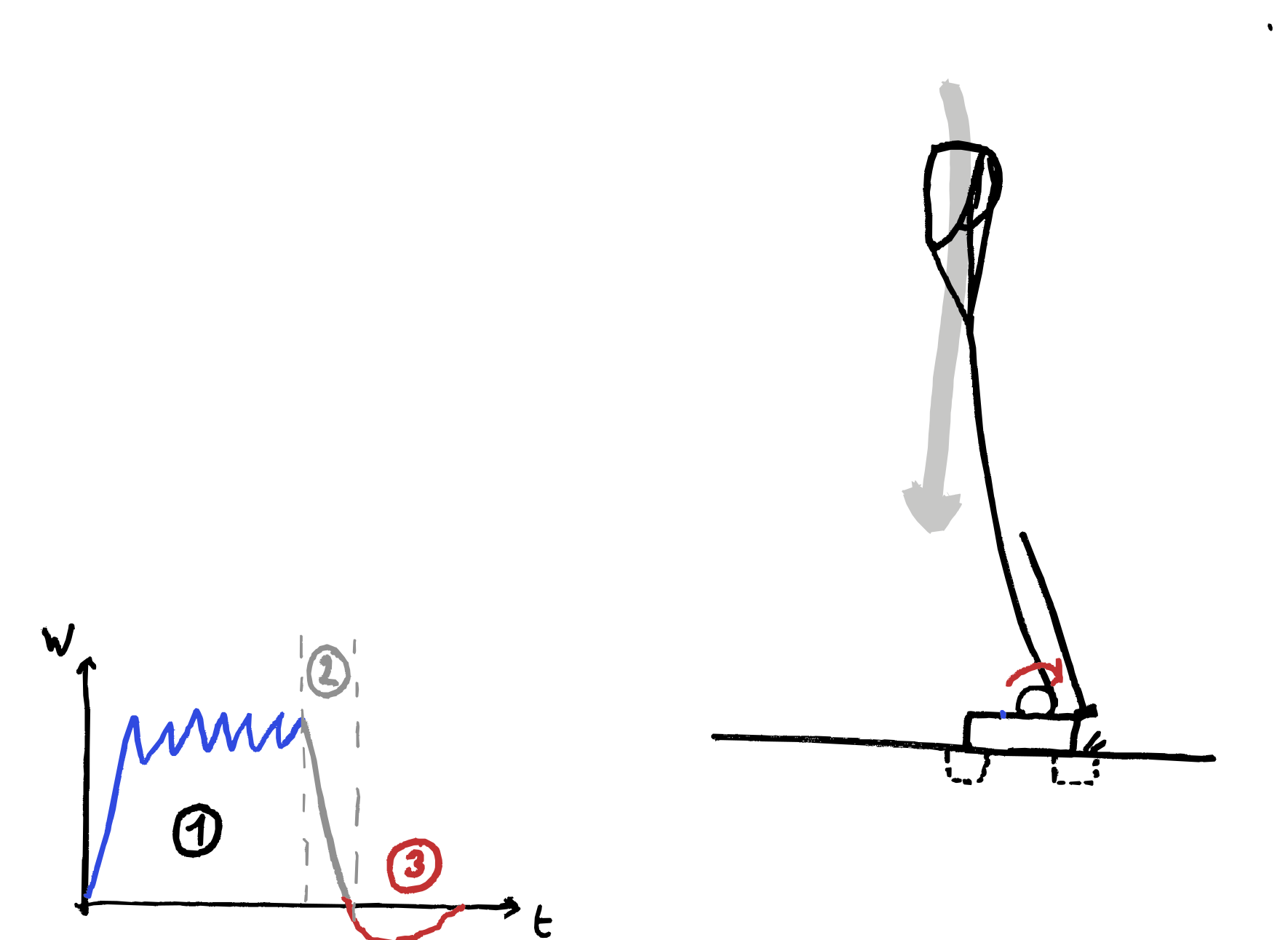
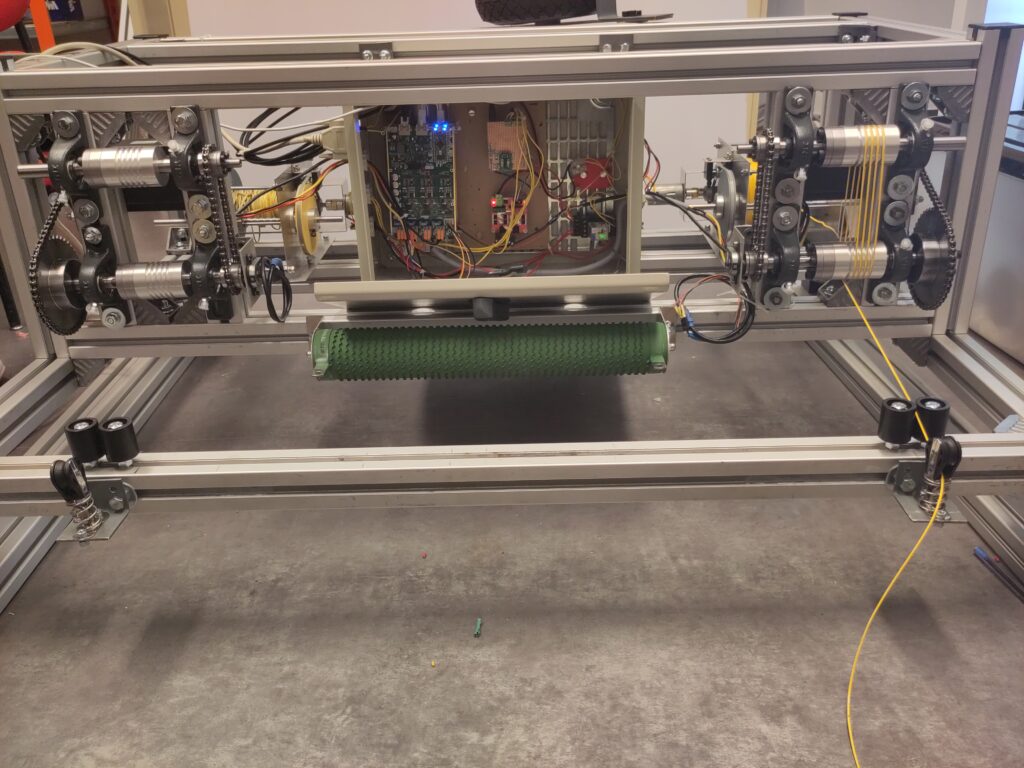
We design a new ground station for a small-scale, ground-gen, soft wing airborne wind energy system.
Low-Tech
Just what’s needed : two 1kW motors and inverters for steering and control, plus two small DC motors for winding the systems.
Low wind takeoff
All actuators are on ground: only sensors remain on board, making the airborne system lighter, and allowing for takeoff at low wind speeds.
Versatile
The ground station turns into a bicycle trailer to be towed to the test site.
Realistic testing
Designed to produce 1.5 kW, the systems will embed batteries and a discharge resistor acting as a load, as well as a spooling system able to stow 150m of tether.
Standard or open source components
Each motor is driven by an open source OWNVERTER and the central computer is a Raspberry Pi.
Experimental data
All sensor data will be automatically stored as timeseries on a USB memory stick using CSV files. This will allow for a fast post-processing.
Automatic control
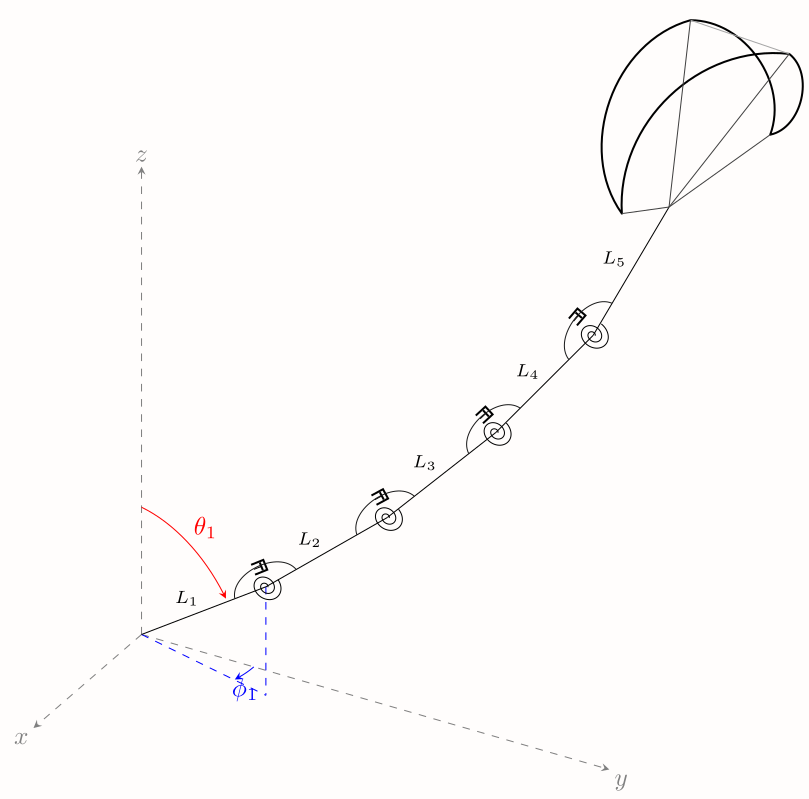
Using Manifolds and Lie group theory, we design precise tether and kite models to improve estimation and control algorithms for AWE systems in the take-off and landing phases
Detailed tether dynamics
- Lagrangian multiboby system on manifolds
- Comptact notation and geometric properties
- No singularities
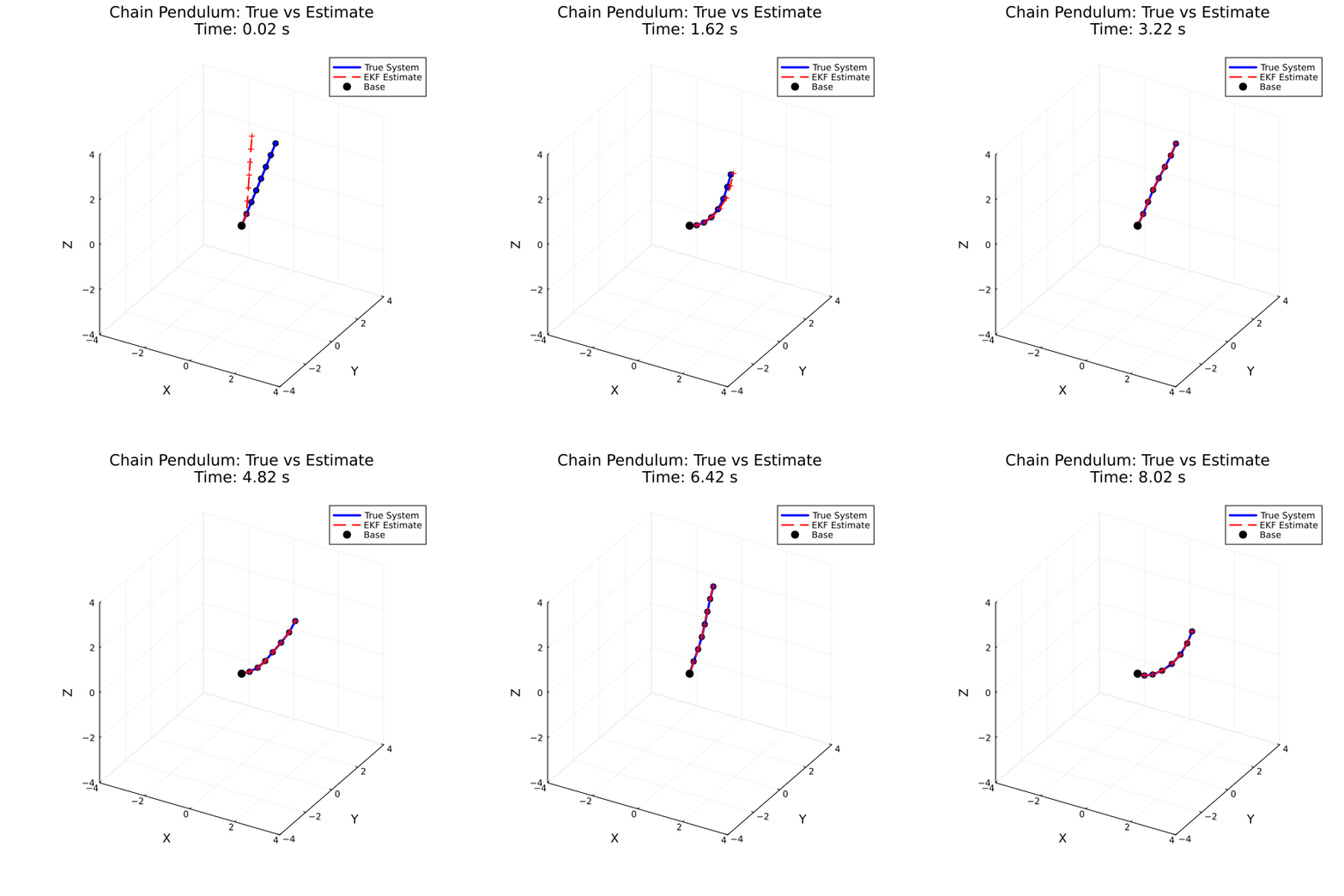
Observer design
- Exploiting detailed tether models
- GPS-free estimations
- Real-time implementation
Nonlinear control
- Control based on Lie group models